
The Clackamas Water Trail
Your Backyard River Is Calling — The Clackamas Water Trail
Posted by a neighbor who lives on the river and is slightly obsessed with it
Look, I'll just come right out and say it: I have a problem. Every single morning I walk out to check on the river like some people check their phones. Is it running clear? What's the flow doing? Did anything interesting float by overnight? (Answer: yes, sometimes. Last week it was a camping chair. The week before, an entire inflatable flamingo.)
I live on the Clackamas, and I've been watching people discover this river for years. Many zip past it on the way to the coast or the mountain without a second glance. And honestly? That's fine. More river for the rest of us. But if you're reading this, something in you is already curious — so let me tell you what I know.
What Even Is the Clackamas Water Trail?
The official Clackamas Water Trail runs 22 miles along the lower section of the river, from Sandstone Bridge all the way to where it dumps into the Willamette at Clackamette Park in Oregon City. But if you zoom out a little, the river runs 83 miles total from its headwaters in Mt. Hood National Forest, and different stretches offer wildly different experiences. Upper river is technical and gnarly — whitewater folks live for it. Lower river is where the rest of us come to actually relax and have a good time.
The beautiful thing? You don't have to do the whole thing. Nobody is handing out merit badges (although honestly, someone should). You pick your stretch, you pick your craft, you go have a day. That's it.
Picking Your Weapon (Craft, I Mean)
Stand-Up Paddle Board
SUP is how I spend most of my summer. The lower Clackamas is genuinely excellent for it — wide, relatively calm, and with enough gentle current that you're moving without having to paddle the whole time. Just know that even on the mellow sections, the river has opinions. Stay aware of the current, give yourself more space than you think you need around corners, and do NOT wear a leash attached to your ankle. I know — everything you've heard about SUP says to wear one. On the ocean or a lake, that's true. On a river, a leash can get you killed. If you fall and your board pins against a rock or strainer, you're tethered to it with no way to get free. You can wear a quick release leash attached to you PFD. These are meant for rivers and you can quickly release it if you get caught. Or, do not use a leash at all. On the lower Clackamas your board will not go far. You will most likely fall. The river will not apologize.
McIver to Barton is my personal favorite SUP run — it's my home stretch, literally. It's scenic, it moves well in summer flows, and there's something deeply satisfying about watching cliffs and forested hills scroll by from the water. If you're on this section, give a wave toward the bank and there's a decent chance I'll be waving back from my yard with a coffee in hand.
Feeling adventurous? Whitewater SUP is absolutely a thing, and the upper Clackamas is a legitimate destination for it. That said, this is not a stretch where you show up and figure it out. The upper river demands real whitewater experience — solid river-reading skills, confidence in moving water, and the ability to swim a rapid if things go sideways. If you've been building your skills and you're ready to take your SUP somewhere that will genuinely test you, the upper Clackamas will deliver. Just come prepared. Don’t be afraid to go down on your knees.
Pack Raft
This is the cool kid craft that not enough people talk about. Pack rafts are small inflatable rafts that fold up into a backpack — and they are the most versatile way to do the Clackamas. Confident paddlers can take them into sections that a SUP board would have strong feelings about. They're also just fun and a little silly-looking, and I mean that as a compliment.
If you've got solid basic paddling skills and you're comfortable reading moving water, a pack raft opens up a lot of the river to you. The middle sections around McIver State Park are a great starting point.
Kayak
The kayak deserves its own mention because it's honestly one of the most versatile crafts on the Clackamas. A recreational sit-on-top is a great call for beginners on the lower river — stable, easy to get back on if you flip, and forgiving enough that you can focus on the scenery instead of survival. Sit-inside touring kayaks open up longer stretches with more efficiency, especially if you want to cover some miles. And if you've got a whitewater kayak and the skills to match, the upper Clackamas will keep you busy for a long time — creek boats and playboats both have a home up there. Clackamas River Outfitters rents kayaks if you want to try before you commit to buying, which I'd strongly recommend. The Clackamas has a way of turning a casual paddle into a full-blown obsession, and the last thing you want is to have spent all your money on a craft you hate.
Raft
The classic. The upper Clackamas has some of the best whitewater rafting close to Portland — rapids like Hole in the Wall, Toilet Bowl, and Carter Bridge are genuinely exciting and have earned their reputations. If you haven't done a guided trip up there, book one. Blue Sky Rafting knows this stretch like the back of their hand, and Clackamas River Outfitters in Estacada can set you up with rentals, gear, and guided options on both the upper and lower river. I've watched raft trips launch from up the road more times than I can count, and the look on people's faces when they come back downstream is always the same: equal parts terrified and thrilled.
For something more laid-back, a self-guided raft on the lower sections — McIver down through Barton, or Barton to Carver — is a perfect summer afternoon. Bring snacks. Bring a cooler if your raft can handle it. You'll thank yourself.
Inner Tube
The great equalizer. Grab a tube, put your feet up, and just... go. The lower Clackamas was made for this in the summer months. Clackamas River Outfitters runs shuttle service so you don't have to stress the car situation — and on a hot August day, that shuttle is the most popular vehicle in the county. They rent tubes too, which is worth knowing before you show up with a $12 pool toy from Target that won't survive the first riffle.
Clackamas River Outfitters — Your First Stop in Estacada
Before you do anything else, bookmark Clackamas River Outfitters. They're based in Estacada and they are the hub for everything Clackamas River. We're talking SUP rentals, kayak rentals, raft rentals, tube rentals, guided tours on both flatwater and whitewater, lessons if you're just getting started, and gear sales if you need to pick something up before you hit the water. They also operate out of Milo McIver State Park, which means you can literally show up, rent your craft, put in, and not have to think about logistics at all.
What I really appreciate about them is the local knowledge. These are people who are on this river constantly. They know what the flows are doing, which sections are running well, and where to avoid on any given day. That kind of real-time intel is worth more than any guide you'll find online — including this one. If you're new to the Clackamas, a five-minute conversation with the crew at Clackamas River Outfitters will do more for your trip planning than an hour of googling.
The Sections, Broken Down
Upper River (Sandstone Bridge area down toward Estacada): This is whitewater territory — Class II through IV depending on the section and flows. The upper Clackamas is legendary for a reason. You've got Pancake Rock and Powerhouse Rapid right out of the gate to wake you up, then The Narrows squeezes things down in a gorgeous basalt gorge. From there it's The Maze, Roaring River Rapid, and then the one everyone talks about — Hole in the Wall, a serious Class IV that has humbled a lot of experienced paddlers. Further down you hit Armstrong, Carter Bridge (the biggest drop on this section), Big Eddy, Toilet Bowl, and Bob's Hole. These aren't just fun names — they're genuinely consequential rapids that deserve respect. Bring skills or bring a guide. No shame in the latter, and honestly a guided trip with people who know these rapids cold is the right call for most folks.
McIver State Park: This is the gateway to the lower water trail and honestly one of the best put-in spots on the whole river. The upper-to-lower McIver loop is a fantastic beginner float — there's a Class II at the top that you can actually walk around if you want, and then it mellows out beautifully. Camping is available here too if you want to make a weekend of it.
McIver to Barton Park (~5 miles): My go-to recommendation for first-timers, and honestly my own most-paddled stretch. Great scenery, good current, manageable for most paddlers and floaters. Wave at the houses along the way — some of us are watching.
Barton to Carver (~5 miles): Another solid run. The landscape continues to open up with some fun riffles, and Carver Park is a satisfying finish line with a short shuttle drive back.
Carver to Riverside Park: Things get a little more pastoral here — you're moving from rural into semi-rural, and the vibe shifts a bit. Still a lovely float.
Riverside to Clackamette Park: The final stretch into Oregon City. A great flatwater option, but pay attention as you approach High Rocks — just before the I-205 bridge, the current gets surprisingly pushy and has caught people off guard. It's a popular swimming and cliff jumping spot with a lot of activity in the water, so stay alert, keep your line, and don't let the urban scenery lull you into autopilot. After that you're home free into Clackamette Park at the Willamette confluence. Sometimes in later summer the section past High Rocks gets fairly shallow so you may need to pull out at Cross Park in Gladstone. This area always brings back great memories from when I worked on this section of the river when I was in high school and part of college during the summer months.
Things I Wish Someone Had Told Me
Check the flows before you go. This is non-negotiable. The easiest way to do it is to head over to adventurevibes.us/oregonrivers — it pulls live USGS flow data and today's weather forecast all in one place, so you can check the Clackamas conditions without hunting around multiple sites. In summer, typical floatable flows are in the 1,000–3,000 cfs range, but the sweet spot for a mellow SUP or tube day is usually the lower end. High water changes everything, and the river can move very fast very suddenly after rain.
Shuttle logistics are the unsexy part, but they matter. Either stash a bike at your take-out (I have done this with my e-bike, it sure makes the miles back to the car or, in my case, house much faster), get a friend to drive the shuttle, or park a car on the way up and shuttle yourself.
This river is somebody's drinking water. Over 300,000 people in the Portland metro area drink from the Clackamas. Pack out everything. Carry a dry bag for your trash. Don't wash dishes or use soap in the river. The Clackamas gives a lot to this region — we can give a little back.
The Clackamas People were here first. The Chinookan people called this river home for thousands of years — fishing salmon, steelhead, and lamprey; building canoes from the cedar trees that still line the banks. It's worth taking a moment to sit with that while you're out there.
Wear a PFD. I know, I know. But I live on this river. I've seen what happens.
The Best Time to Go
Honestly? June through September for the mellow lower river experience. July and August are peak season — the flows drop to sweet floating levels, the water is actually tolerable temperature-wise, and the summer light on the Cascades in the evening is the kind of thing that makes you tear up a little if you're not careful.
Spring (April/May) is when the upper river really shines for whitewater, and fall has a magic of its own — fewer people, big maples turning gold along the banks, the occasional salmon making their way upstream if you're lucky enough to see it.
Go. Seriously.
The Clackamas is one of those places that people who know it are just a little bit protective of — not possessive, but maybe hoping it stays the kind of special it is. That means going out there and treating it right. Leave it better than you found it.
If you've been waiting for a sign, this is it. The river's running. Get on it.
Have questions about a specific stretch or conditions? Drop them in the comments — happy to help.
Useful links: Clackamas Water Trail | River Flows & Weather Forecast | Clackamas River Outfitters
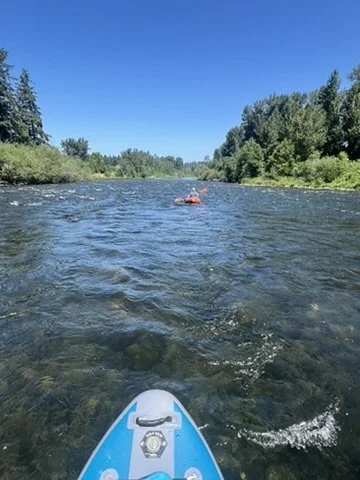
Lower Clackamas on a Kokopelli packraft and Hala paddleboard
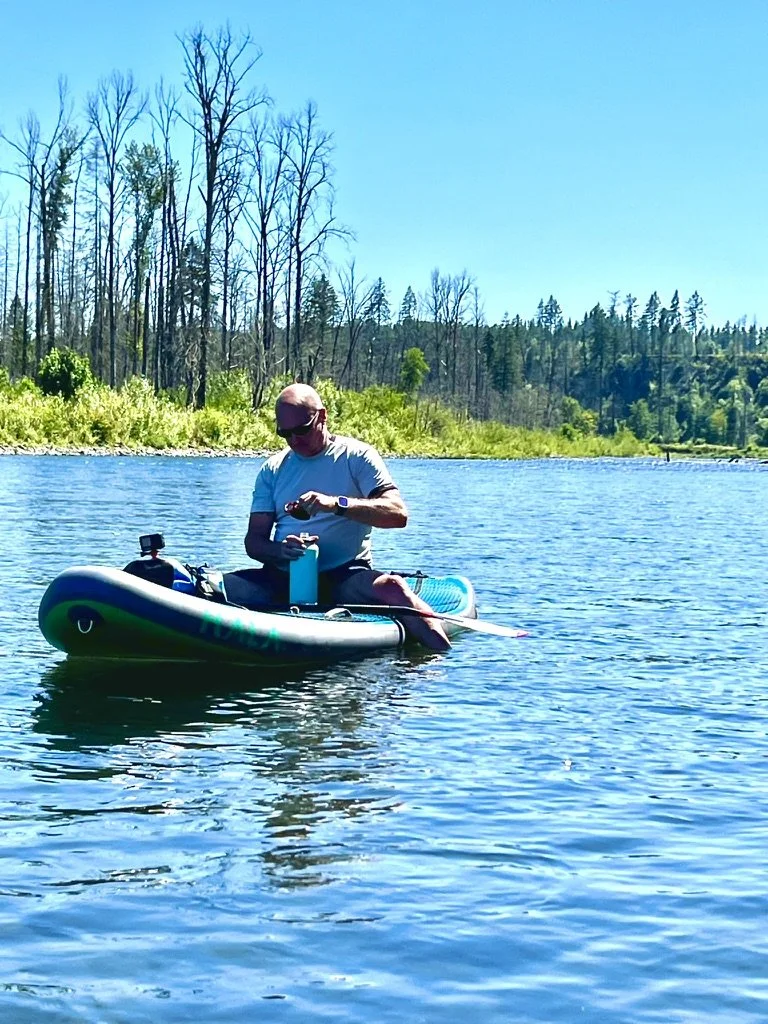
Lower Clackamas on a Hala board
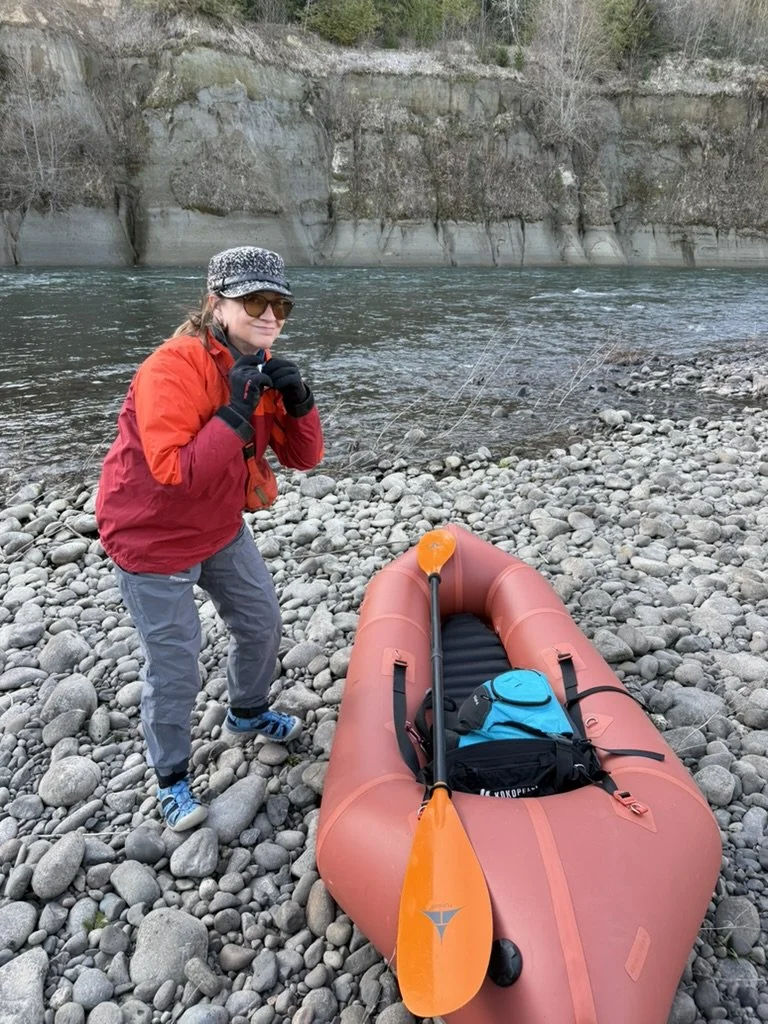
Lower Clackamas between McIver and Barton in late fall - Kokopelli packraft
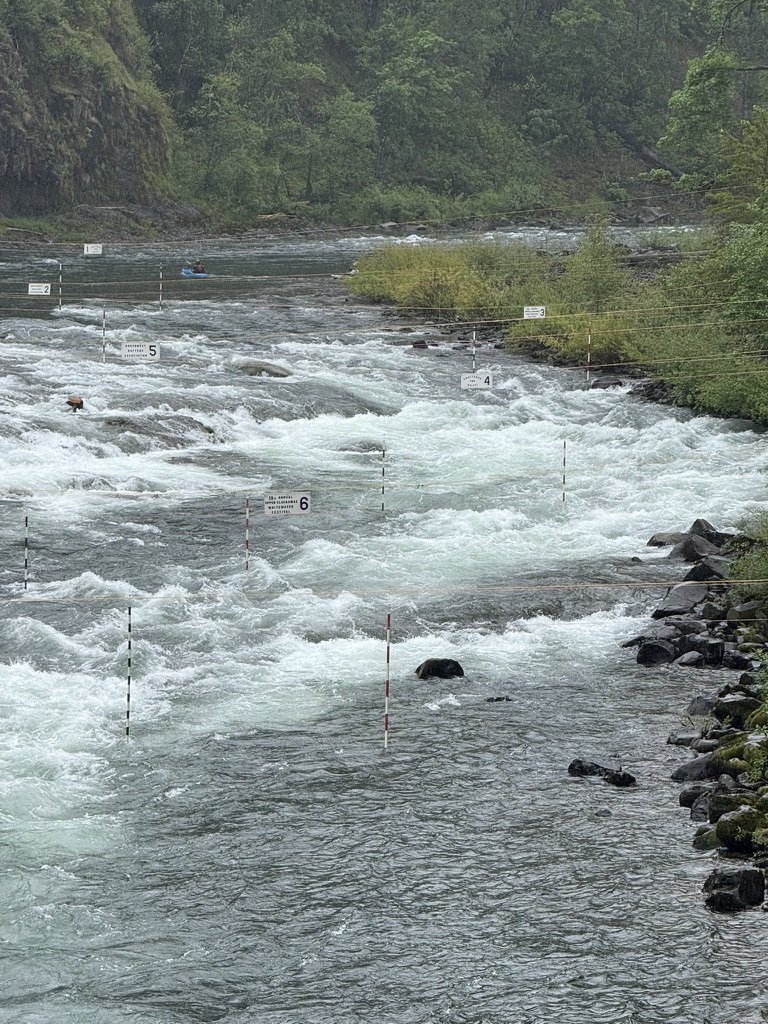
Upper Clackamas during the Upper Clackamas White Water Festival - Clack Fest!
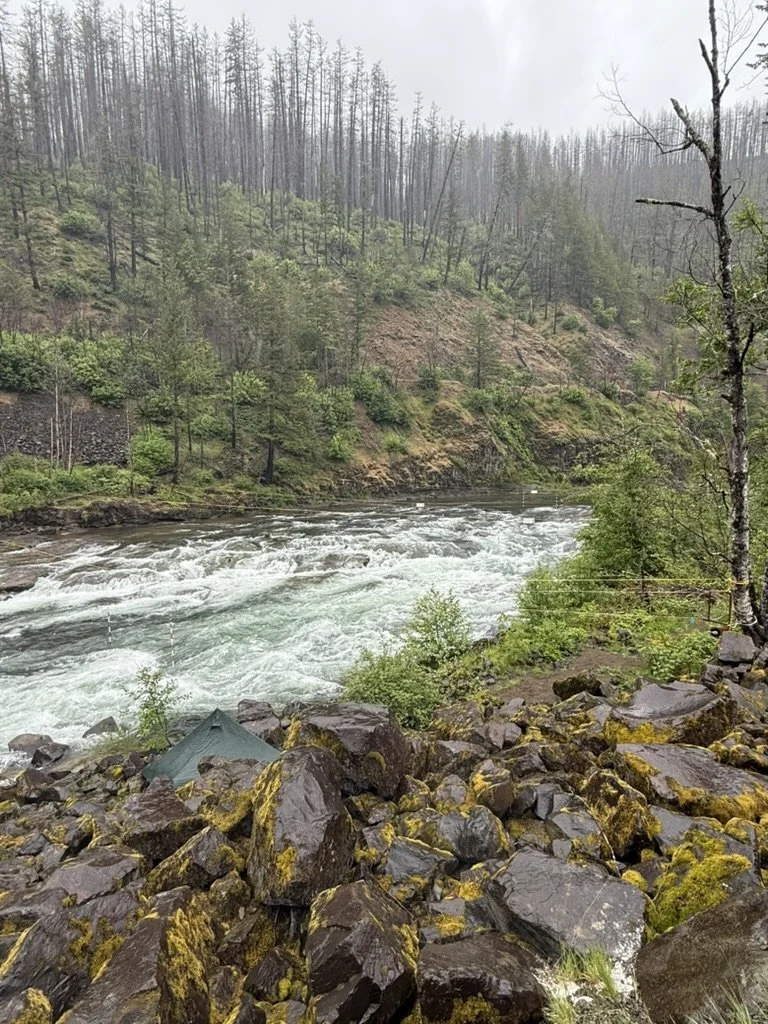
Upper Clackamas
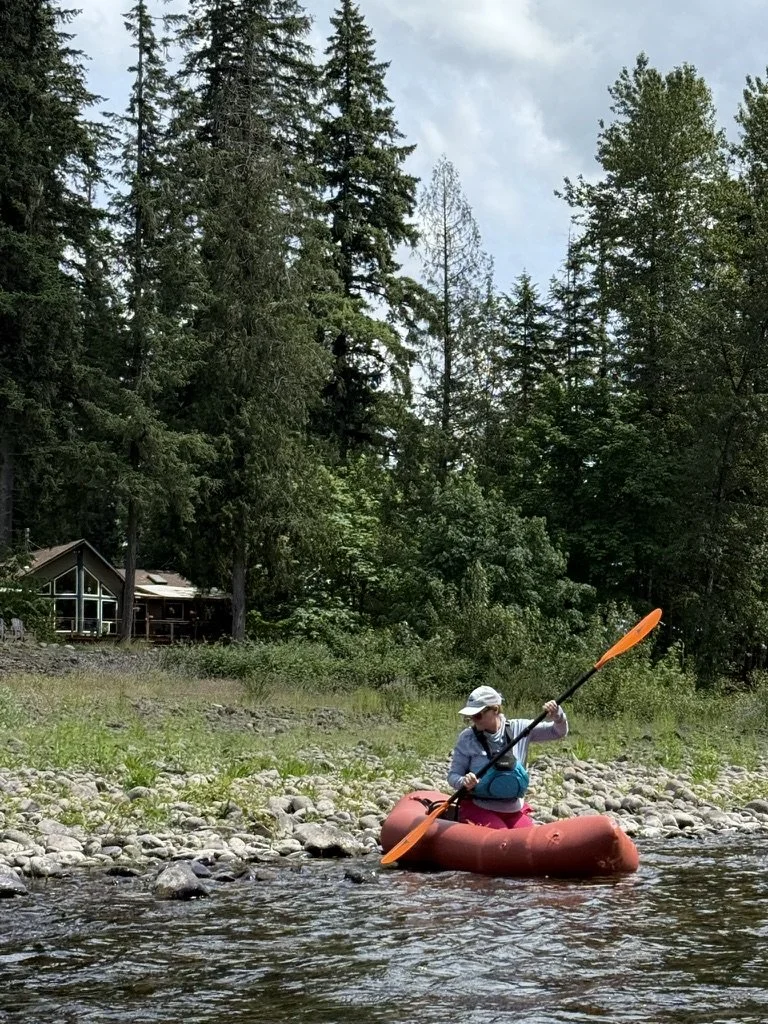
Lower Clackamas between McIver and Barton
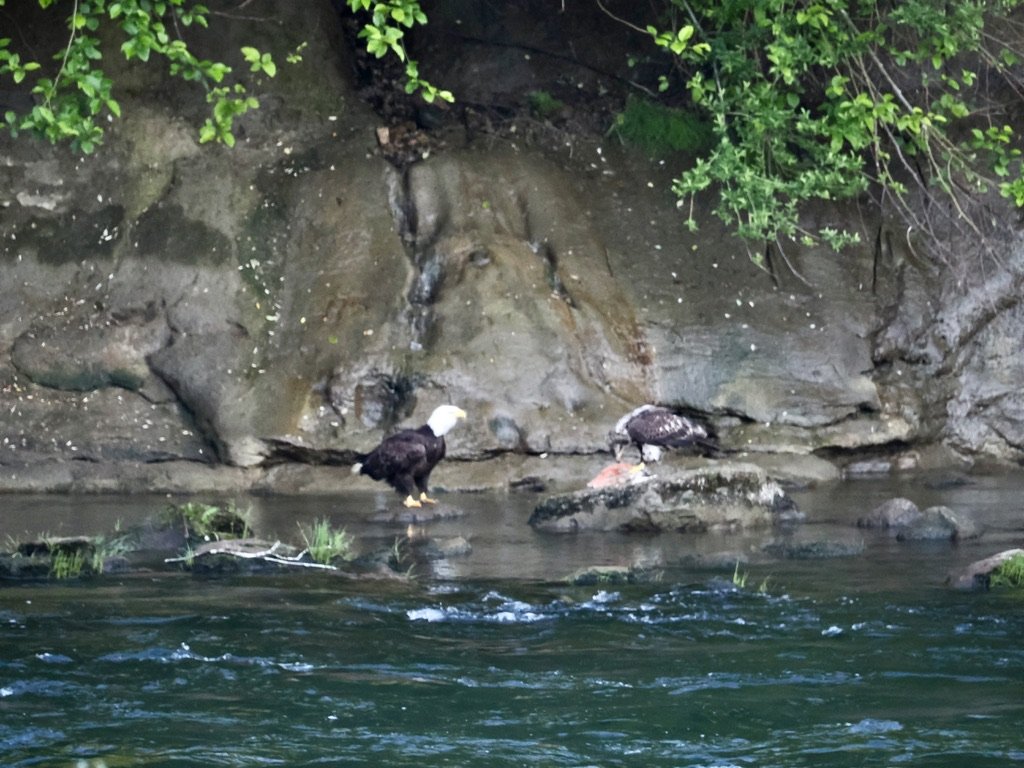
Bald Eagle mom and youth on the Lower Clackamas
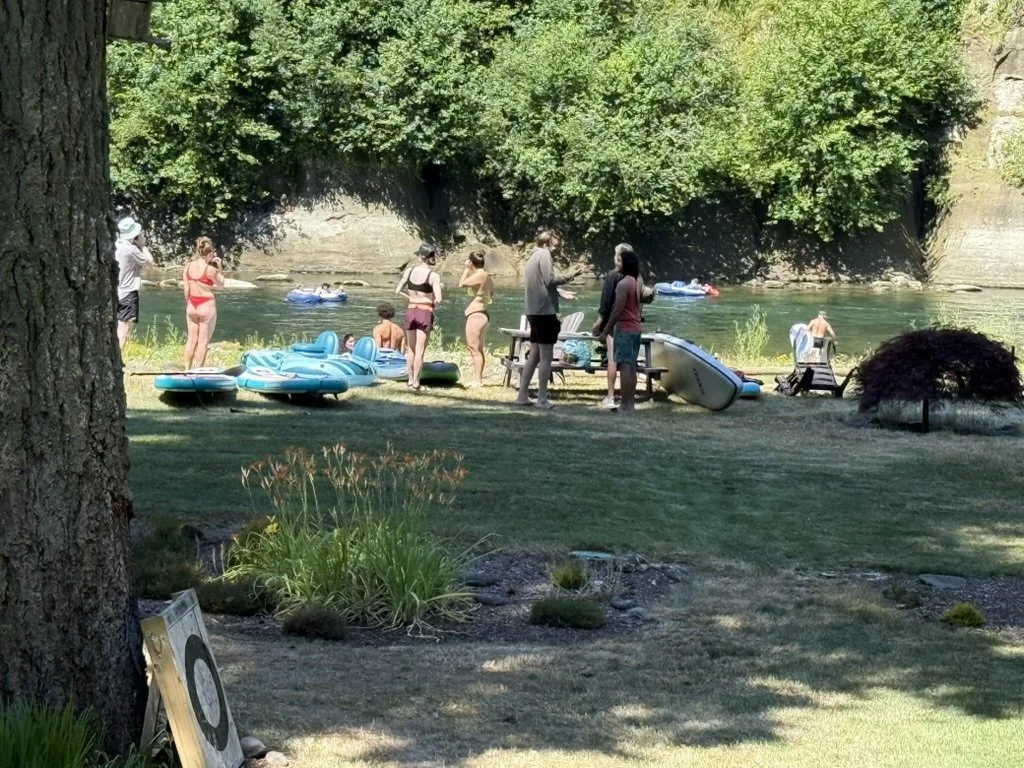
Group paddle getting ready to go out from a house on the Lower Clackamas
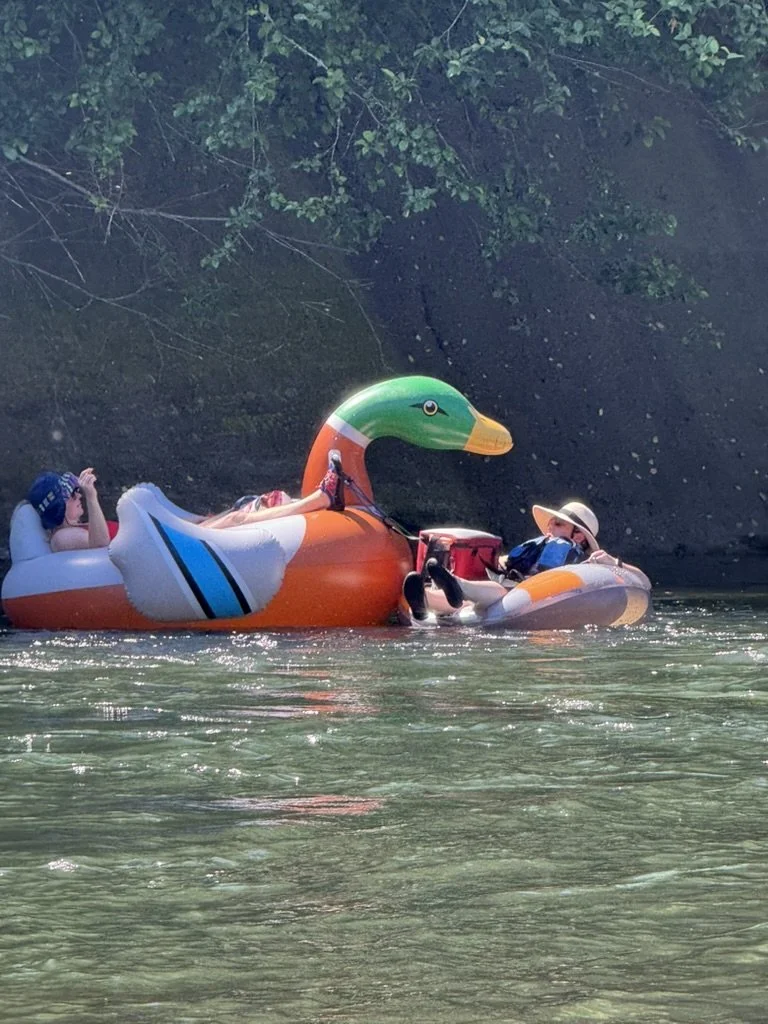
You never know what people will float by with on the Lower Clackamas
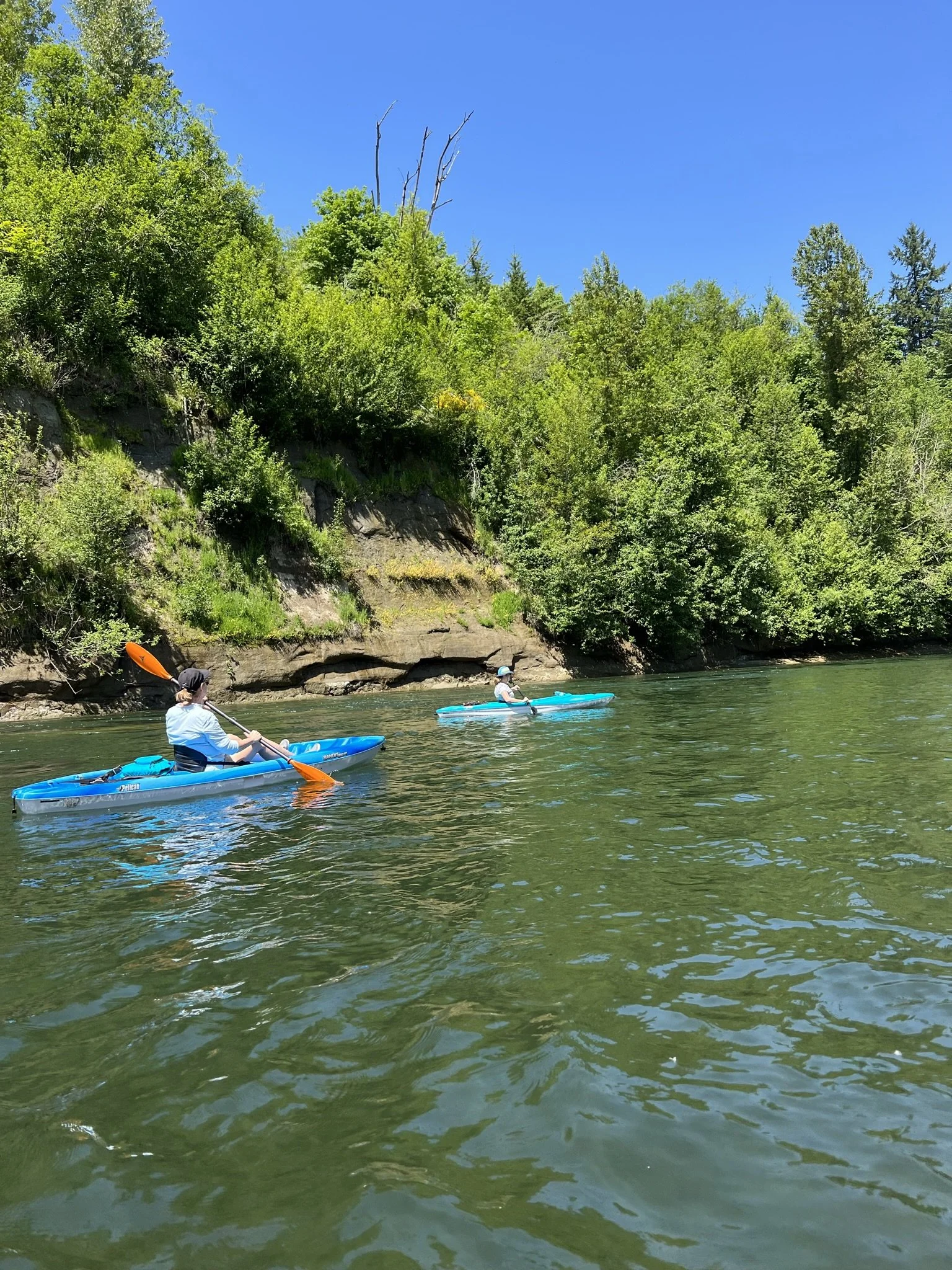
Lower Clackamas